We Offer Revolution Of Industrial Engineering

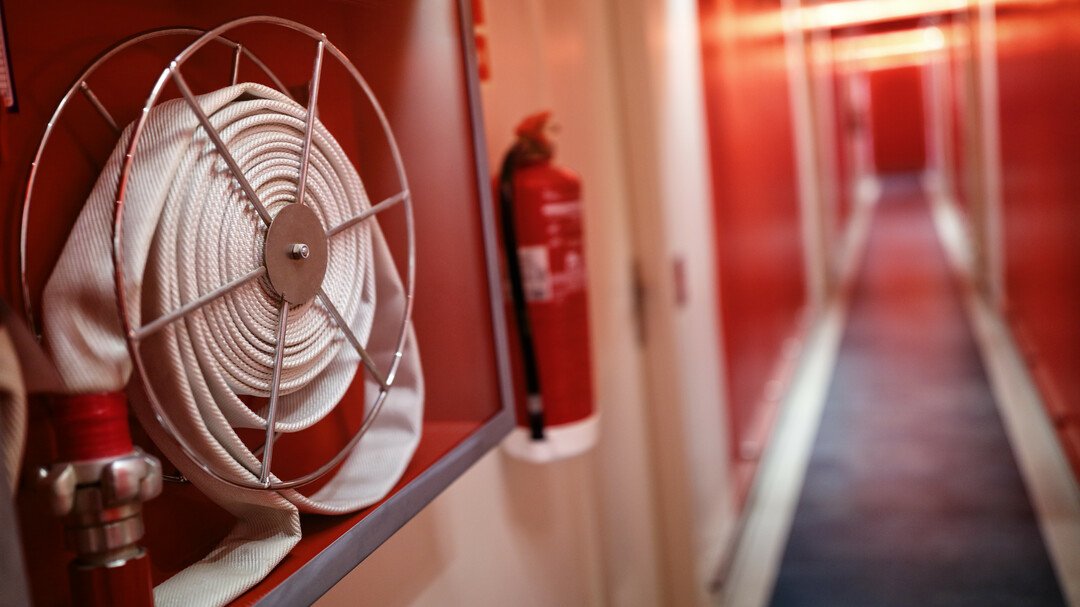
A coordinated range of fire protection systems designed to provide dependable detection, suppression, firefighting and emergency communication.
Firefighting water supply infrastructure with appropriately planned equipment, controls and associated connections supporting the building's fire protection network.
Dedicated firefighting water distribution through hydrant points, landing valves, hose reels, firefighting piping, valves and associated accessories.
Automatic sprinkler protection using strategically distributed sprinkler heads, piping networks, control valves and associated firefighting accessories.
Analogue addressable fire detection and alarm infrastructure designed to identify fire conditions and communicate warnings quickly across protected areas.
Dedicated two-way communication facilities to support coordination between designated locations during emergency and response situations.
Public address facilities for designated common areas, supporting emergency announcements, instructions and communication during critical situations.
Water curtain protection using open spray nozzles, controlled valves and dedicated distribution arrangements for designated protected areas.
Portable firefighting equipment positioned according to project requirements to provide immediate first-response protection for localized incidents.
Clearly identified fire and safety signage helping occupants and emergency personnel locate firefighting equipment, exits and designated safety routes.
A properly planned hydrant network provides firefighters and trained emergency personnel with access to firefighting water at designated points throughout the protected premises.

Automatic sprinklers provide localized fire suppression by releasing water when individual sprinkler heads reach their operating condition. The system is connected through a dedicated distribution network.

The analogue addressable fire detection and alarm system forms an important part of the building's early warning infrastructure, helping identify potential fire conditions and communicate an alarm.
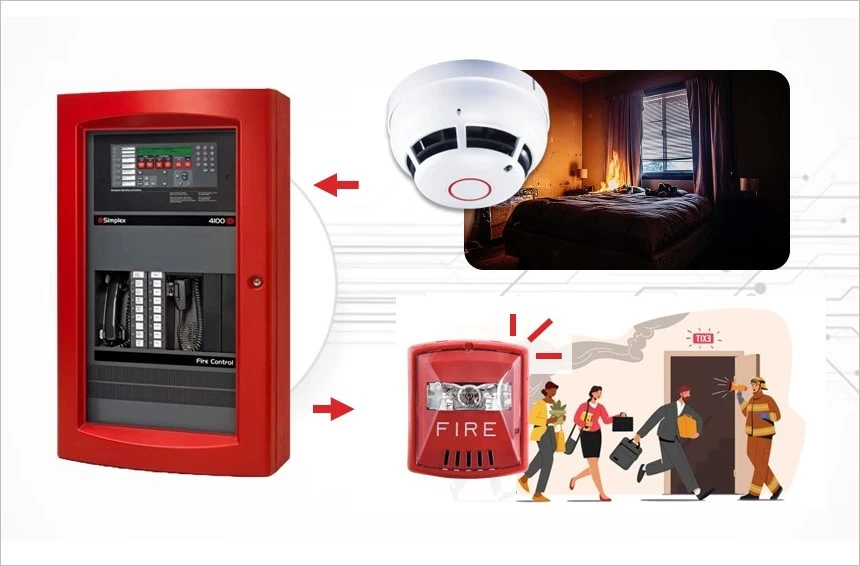
Fire safety is strengthened when detection, suppression, firefighting and communication systems work together.
Communication systems help provide clear information during emergency conditions and support coordination between occupants, security personnel and response teams.
Easily identifiable and accessible firefighting equipment provides an additional layer of protection for occupants and emergency responders.
Water curtain arrangements can provide an additional water-based protective barrier for designated areas where required by the project design.
Proper testing and commissioning helps verify that the installed fire protection systems operate according to their intended functions before handover.
Key fire protection and life-safety systems included within the project scope.
Multiple fire protection systems can be coordinated as one connected safety infrastructure.
Firefighting, suppression, detection, alarm and emergency communication systems can be handled within a coordinated project scope.
Fire protection installations are coordinated with the building's architectural and engineering requirements.
Attention to equipment, piping, fittings, connections and installation details supports dependable system performance.
System testing and commissioning help verify functionality before the installation is handed over.
Every element contributes to a layered approach to fire detection, response, suppression and occupant safety.